


If you’re searching for metal recycling services near me, you’re likely sitting on more value than you realize. From a garage full of old copper pipe to a construction site stacked with steel beams, local scrap yards and buyback centers will pay you cash for materials that would otherwise end up in a landfill. This guide walks you through how to find a reputable recycler nearby, what materials they accept, how pricing works, and how to squeeze every dollar out of your scrap.
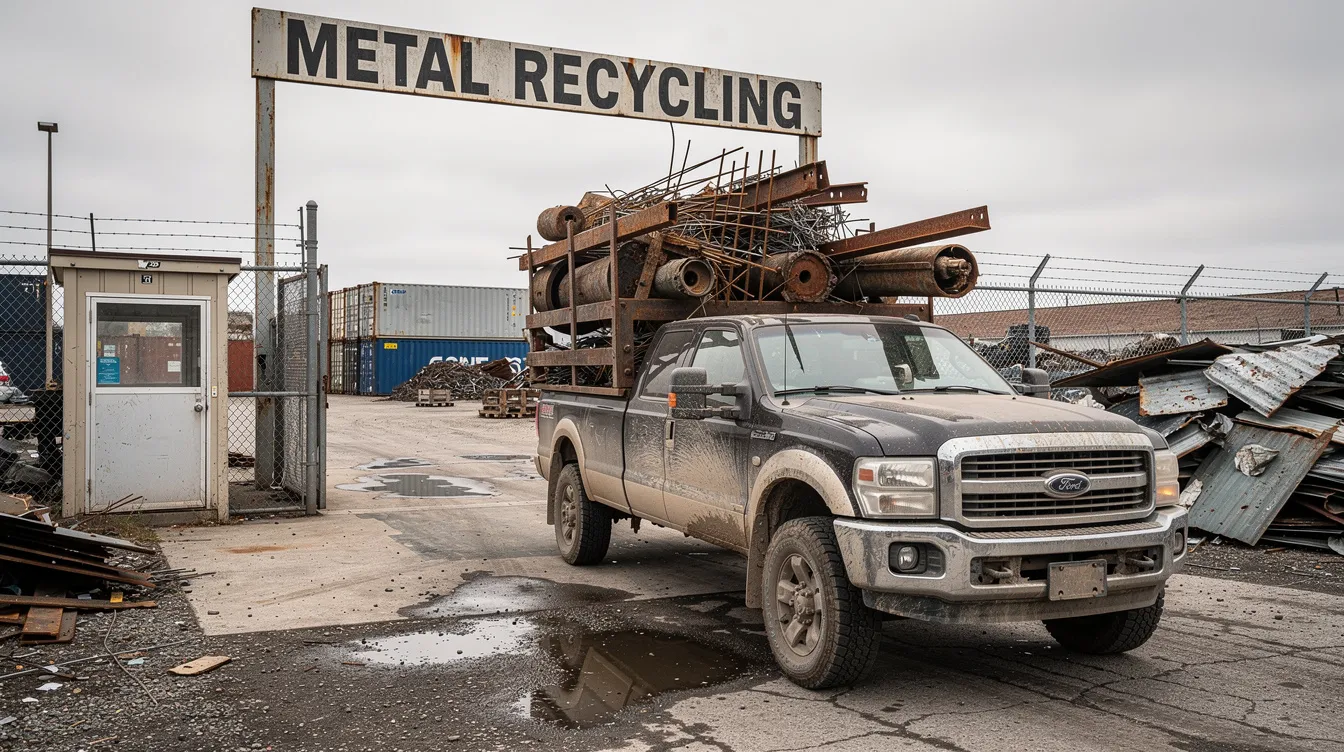
When people search for “metal recycling services near me,” they’re generally looking for nearby scrap yards, buyback centers, or industrial recyclers that purchase and process scrap metal from households, tradespeople, and commercial accounts. These facilities range from small neighborhood yards to large-scale operations that handle thousands of tons per month across entire metro areas. The common thread is simple: you bring in metal, they weigh it, grade it, and pay you.
The materials these recyclers accept fall into two broad categories. Ferrous metals-iron, steel, car bodies, appliances, rebar-are magnetic, abundant, and lower in per-pound value. Non-ferrous metals-copper, aluminum, brass, and stainless steel-are non-magnetic and typically command significantly higher payouts. According to data from NIST, U.S. recycling rates vary widely: lead at roughly 76%, aluminum around 51%, iron and steel near 47%, and copper at about 34%. Ferrous and non-ferrous metals are commonly recycled materials, and understanding which category your scrap falls into will directly affect what you get paid.
Here’s what to expect when you visit a local scrap yard for the first time:
Many recyclers serve entire metro areas and surrounding communities. For example, operations like Davis Metals-which has provided recycling services for over 50 years-purchase all types of ferrous and non-ferrous scrap metal across broad service regions. Similarly, DFW Metals has served the Arlington community for over 15 years, covering the broader Dallas–Fort Worth area including nearby cities. All Recycling processes ferrous and non-ferrous metals at scale, serving both walk-in residential customers with a trunk full of aluminum and high-volume commercial or industrial accounts needing ongoing metal recycling programs.
In 2026, most established metal recycling companies publish basic information online-addresses, maps, current business hours, accepted materials lists, and contact numbers-so confirming details before you visit takes only a minute.
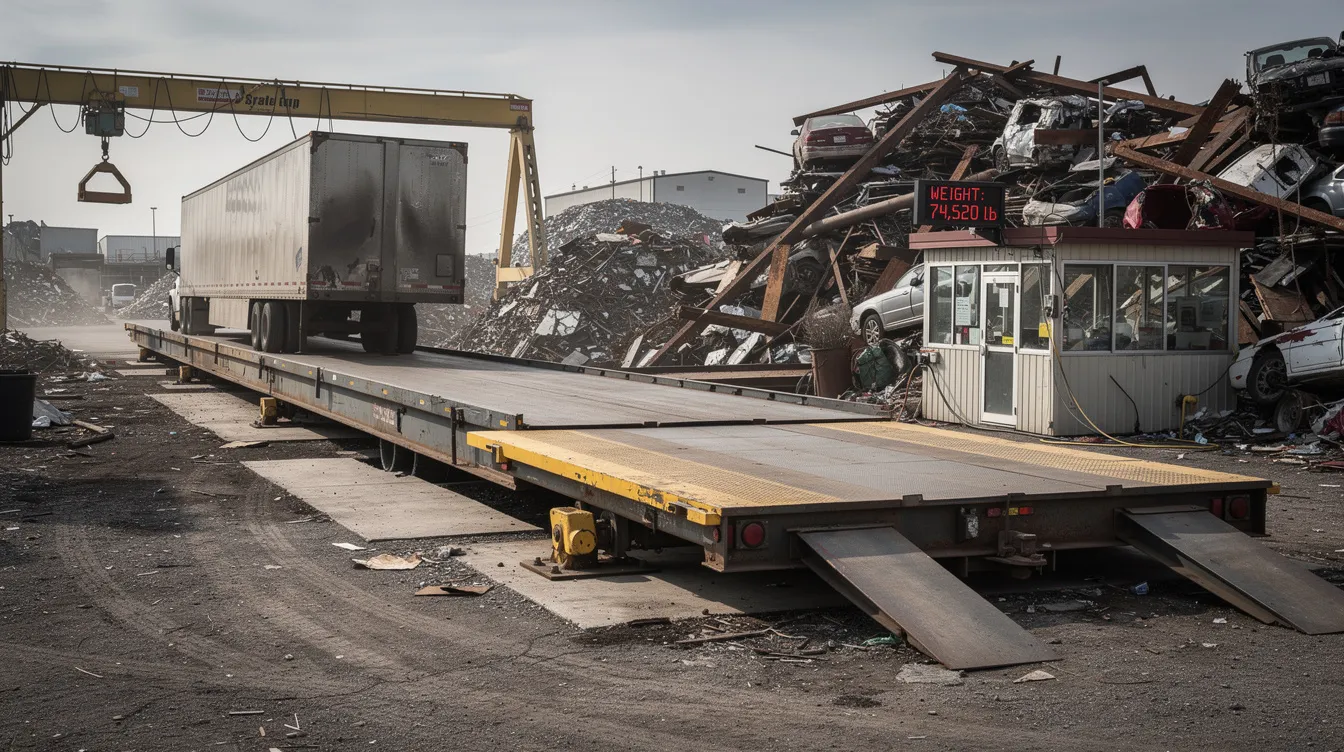
Not all metal recycling facilities offer the same services. Some specialize in residential drop-offs, others focus on industrial-scale operations, and a few handle everything in between. Here’s a breakdown of what you’ll typically find.
Local yards usually buy the following household items:
Recyclable metals include aluminum, copper, and brass, and even small quantities from a weekend cleanout can add up to a worthwhile payout. Curbside recycling programs typically accept basic items like aluminum and steel cans, but a dedicated scrap yard will pay for a much wider range of materials.
Scrap metal yards generally require customers to bring larger items directly to their location. If you’re doing a home renovation, plan a trip rather than waiting for curbside collection.
For businesses that generate scrap regularly-manufacturers, machine shops, HVAC contractors, demolition crews-most recyclers offer custom solutions built around volume and consistency. These programs often include:
Many recyclers provide better per-pound pricing for consistent, high-volume commercial accounts. Companies like Davis Metals recycle steel, stainless steel, and high-temp alloys, and even handle specialty materials like nickel, titanium, and tungsten carbide recycling-materials that most smaller yards can’t process. Twin City Metals recycles aluminum cans and various scrap metals across its service area, helping businesses of all sizes turn waste into revenue.
Some facilities buy electronic scrap metal such as servers, circuit boards, computer towers, and telecom equipment. These items can contain non-ferrous metals and sometimes precious metals. However, in many states, recyclers may only purchase e-scrap from licensed businesses due to data security and environmental regulations enforced by the EPA. If you have e-waste to recycle, verify your local facility’s requirements before making the trip.
Beyond basic buying and selling, many metal recyclers offer:
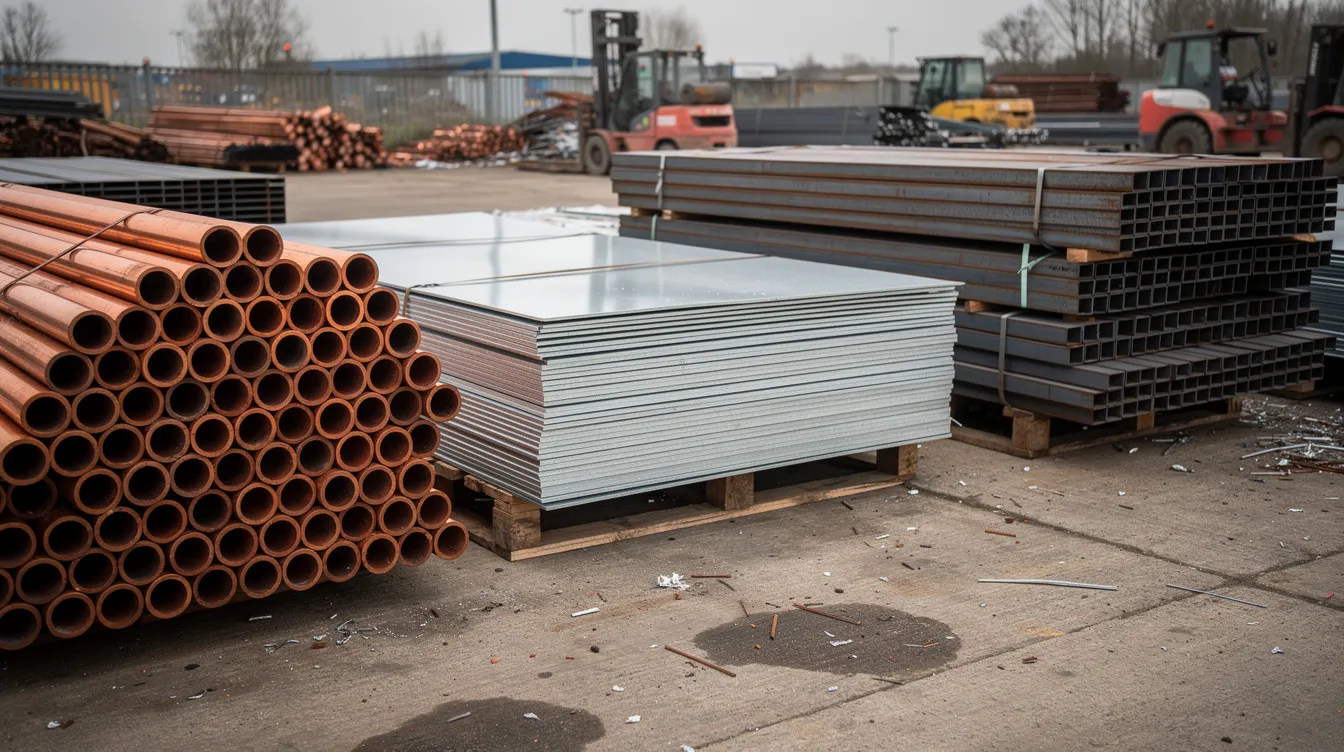
Scrap metal prices change frequently based on global commodity markets (the LME and COMEX exchanges), local competition, and the type and cleanliness of the material. If you’re searching for metal recycling services near me to get the best prices, always verify current rates before loading your truck.
Rates are quoted per pound or per ton, depending on the metal and the volume:
| Metal Type | Approximate Price Range (2026) | Notes |
|---|---|---|
| Bare bright copper (#1) | $5.50–$6.60/lb | Highest non-ferrous rate; must be clean, uncoated |
| #1 copper tubing | $5.20–$5.50/lb | Clean pipe, no solder or fittings |
| Aluminum extrusions (6061/6063) | $1.15–$1.50/lb | Window frames, clean structural aluminum |
| Aluminum cans | $0.75–$1.00/lb | Lightweight; need ~122 lbs to reach $100 |
| Yellow brass | $2.80–$3.50/lb | Faucets, valves, fittings |
| Stainless steel | $0.30–$0.45/lb | Sinks, appliances, mixed grades |
| Unprepared steel/light iron | $0.07–$0.12/lb | Car parts, structural steel, rebar |
Non-ferrous metals like copper and brass usually command the highest rates, while ferrous scrap pays far less per pound but can add up quickly in large volumes.
Reputable recyclers use certified truck and platform scales and employ experienced staff who grade material on site. The process should be transparent-look for a printed ticket that breaks down weights, grades, and prices for each material category. If a yard can’t show you itemized pay slips, consider that a red flag.
Payment speed varies by recycler and load size:
Here are practical steps to get more money from every load:
Recyclers may require a valid government-issued photo ID when selling scrap metal-this is standard in most states under metal theft prevention laws enacted before 2026. Bring your ID, and be aware that items like catalytic converters, telecom cable, or public infrastructure scrap may trigger holds or additional documentation.
Finding a metal recycling service that pays fair prices is only half the equation. The other half is choosing a partner you can trust-one that operates legally, treats you honestly, and handles materials in an environmentally responsible way. This matters whether you’re dropping off a few pounds of copper or setting up a commercial account that moves tons of scrap every month.
When evaluating a local recycler, look for:
Serious recyclers follow national and local environmental, health, and safety (EHS) rules. All Recycling meets or exceeds EHS standards and regulations, investing in modern shredders, sensor-based sorting systems, stormwater controls, and worker safety programs. This isn’t just about checking boxes-it directly protects the public and surrounding communities from contamination and hazardous exposure.
The environmental impact of working with a responsible recycler is substantial:
Davis Metals helps customers achieve zero waste goals through comprehensive recycling programs, and All Recycling powers the circular economy by recycling metals back into manufacturing supply chains. When you choose a compliant, sustainability-focused recycler, you’re making a decision that benefits both your wallet and the environment.
Day-to-day experience matters just as much as credentials. Here’s what separates a good yard from a great one:
Practical considerations include:
Before committing large volumes of scrap metal to any single recycler, read recent online reviews, check for any regulatory violations, and make a short phone call to gauge responsiveness. A five-minute conversation can tell you more than a dozen website promises.
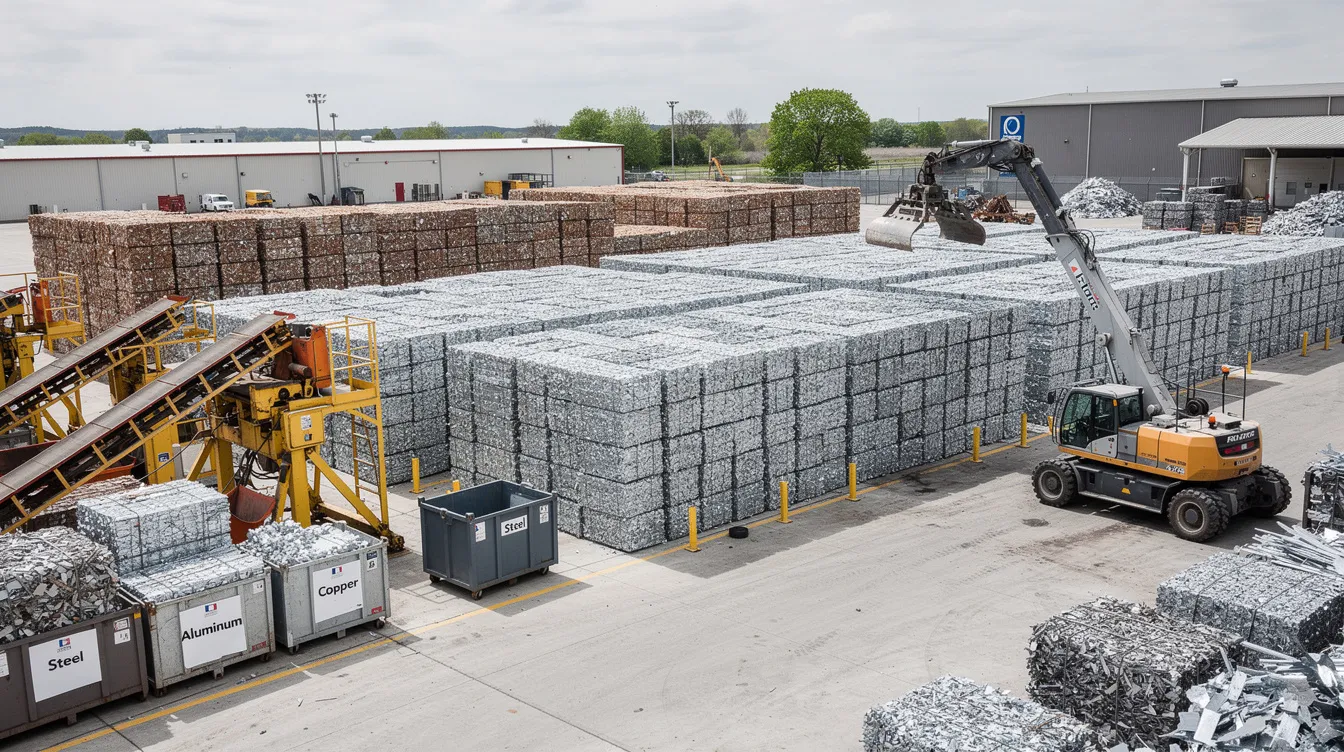
Most scrap yards expect residential customers to drop off scrap metal themselves. However, some companies in larger metro areas may offer pickup for heavier items like vehicles or large appliances, or for combined neighborhood and community drives.
Before scheduling any pickup, ask about minimum volume requirements and service charges. A $25 pickup fee on $30 worth of light iron isn’t worth it-but getting a half-ton of copper pipe collected from a renovation site absolutely is.
While many facilities only pay for metal above certain quality and quantity thresholds, they will still often accept low-value steel or mixed metal for responsible recycling, sometimes at no charge for households. This helps keep materials out of landfills even when the market value doesn’t justify a payout.
Additionally, many municipalities run free bulky-item or metal recycling days where residents can drop off items that local scrap metal buyers do not pay for. Check your city or county’s public works website for scheduled events.
As of 2026, many regions require a government-issued photo ID for scrap metal sales. Some states go further-Kansas law, for example, requires sellers to provide their name, address, date of birth, and a signed statement that items are not stolen. Tennessee requires a thumbprint for certain transactions.
Business customers should bring any tax forms, resale certificates, or account numbers requested by their chosen recycler to ensure smooth processing and correct payment handling.
Run through these quick checks:
Is it mostly metal? Items that are primarily plastic or wood with minimal metal content usually aren’t worth the trip.
What kind of metal is it? Copper, aluminum, brass, and stainless steel typically bring more value per pound than plain steel or iron.
Is it reasonably clean? Free of hazardous materials, excessive paint, or non-metal contamination?
When in doubt, call a local metal recycling service with a short description or a photo of the item. Most yards will quickly tell you if it’s accepted and whether it’s likely to have meaningful scrap value.
Typical exclusions include:
Pressurized gas cylinders
Sealed drums with unknown contents
Radioactive materials
Certain batteries (lithium, lead-acid may have separate handling)
Asbestos-containing materials
Stolen public property such as manhole covers or utility wire
Verify specific restrictions with your local facility. For items that standard scrap yards cannot safely process, use specialized hazardous waste programs run by your city or county.
Finding the right metal recycling service near you doesn’t have to be complicated. Whether you’re a homeowner turning a weekend cleanout into extra cash or a contractor setting up an ongoing commercial program, a trusted local recycler is your most efficient path to getting paid while keeping valuable materials in circulation.
Start by calling one or two yards in your area, comparing prices, and bringing in a test load. The process is straightforward, the payment is fast, and the environmental impact is real. That pile of scrap in your garage or on your job site isn’t waste-it’s money waiting to be collected.