


If your warehouse has pallets of aluminum sheet, racks of stainless steel coil, or bundles of surplus steel from a canceled job, that idle metal is costing you money every day it sits. Selling surplus aluminum and other excess metals converts dead inventory into immediate cash, frees up floor space for active stock, and eliminates the storage and handling costs that chip away at your margins.
This guide covers why right now is the strongest seller’s market in years, exactly what forms and conditions buyers accept, and a simple four-step process to go from first contact to payment in days.
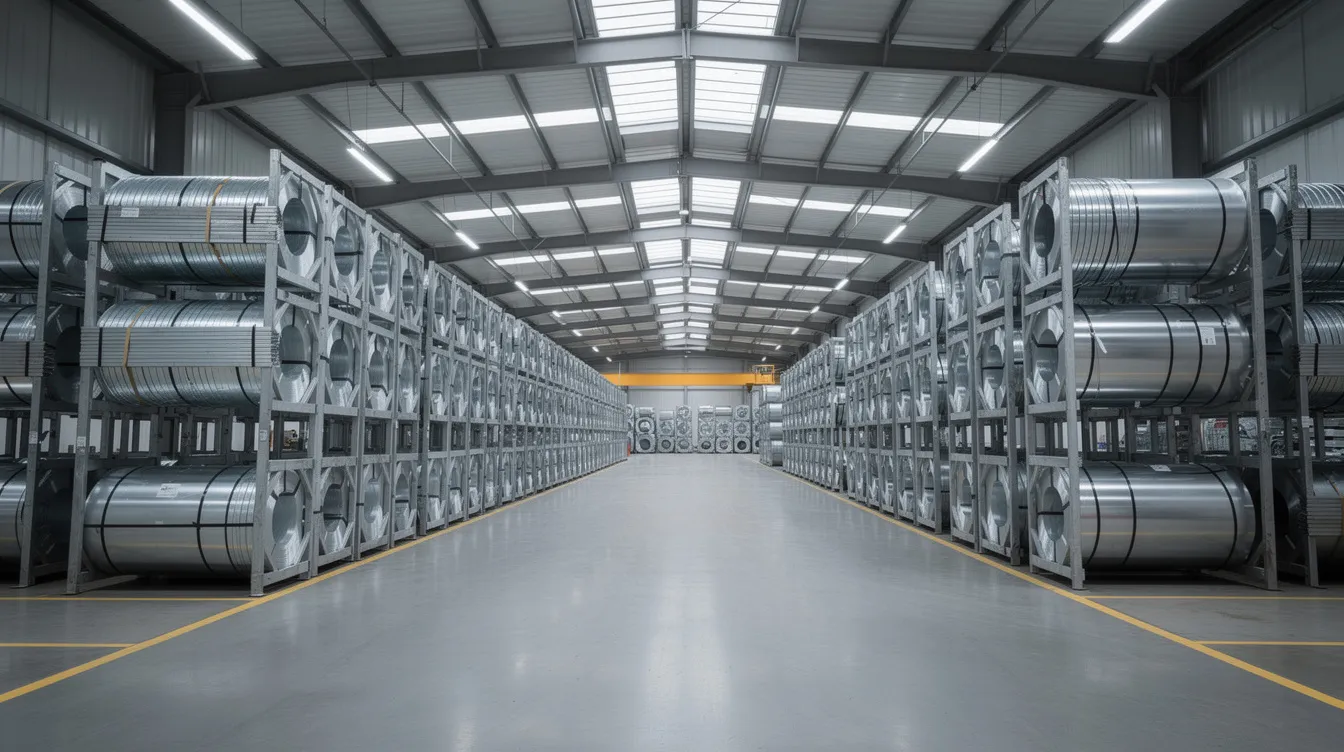
Surplus aluminum is any aluminum your business does not need for a current or scheduled job. Excess inventory covers the broader category of steel, stainless steel, and other metals sitting idle. This section answers the question most sellers ask first: why move this material right now instead of waiting?
Surplus metals pile up from predictable sources: overordering for a project that came in under scope, canceled contracts from 2023 or 2024 construction and fabrication cycles, engineering spec changes that made a particular alloy or gauge obsolete, and leftover trim, drops, or prototype material that never got reintegrated into production.
Excess aluminum inventory ties up money in non-performing assets. Every dollar sitting in a pallet of 6061 sheet that will not ship this quarter is a dollar that cannot go toward payroll, new higher-margin material, or equipment. Excess inventory ties up money in non-performing assets across your entire operation, not just your metals budget. Selling surplus aluminum can boost profitability by releasing that trapped capital back into your business.
Aluminum prices fluctuate regularly and depend on the market demand cycle. The U.S. spot price for primary aluminum ingot reached $2.42 per pound in January 2026, 71% higher than January 2025. The World Bank projects aluminum prices rising roughly 22% year-over-year in 2026, driven by demand from EVs, packaging, and renewable energy infrastructure. But analysts also expect possible softening in 2027 as supply disruptions resolve. Sellers who wait risk catching a downward correction.
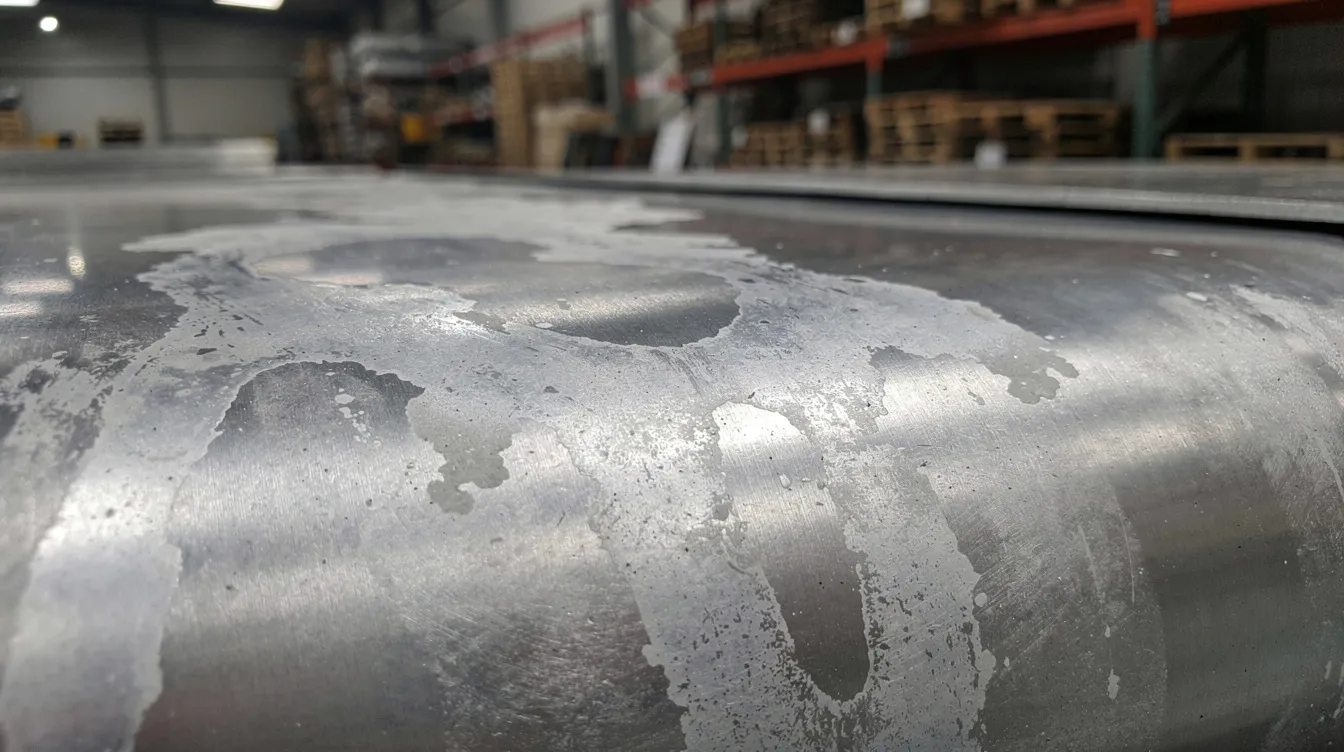
Aluminum stored improperly corrodes. Moisture, pollutants, and poor ventilation cause oxidation that degrades surface quality. Maintain cleanliness of stored aluminum to avoid value depreciation due to corrosion. Clean aluminum can increase payout per pound compared to dirty, oxidized aluminum by a meaningful margin; once surface damage sets in, what could have sold at service value may only qualify as scrap.
Beyond corrosion, surplus metal on the floor creates operational drag. Old inventory takes up space needed for current stock. Pallets of unused aluminum sheet, plate, and extrusions block staging areas, slow down material handling, and limit room for active jobs. Excess inventory can disrupt operations and overstate assets on your balance sheet, creating audit headaches.
Holding excess aluminum can incur additional storage and handling costs. Warehouse space per square foot has climbed with inflation across most U.S. industrial zones. Every square foot occupied by surplus metal you will not use is a square foot unavailable for incoming orders.
During annual inventory counts, materials with damage, missing spec labels, or mismatched alloy batches often must be written down. Holding excess inventory can lead to potential write-downs that hit your P&L directly. Selling before audit season removes that exposure.
The Midwest Premium surged more than 300% year-over-year by mid-2026, reflecting tight domestic supply and tariff pressure from Section 232 duties. ING projects a global aluminum market deficit of approximately 200,000 metric tons in 2026. In this environment, surplus steel buyers, service centers, fabricators, and recyclers are competing for available material. That competition means sellers receive more competitive prices today than they would in a balanced or oversupplied market.
Selling surplus metal cleans up your inventory records. Obsolete or mismatched lots get removed from your system, improving auditability and reducing cycle-count discrepancies. If your shop runs lean or just-in-time practices, clearing non-moving items is not optional; it is a prerequisite for accurate planning.
The bottom line: you can sell surplus metal quickly and turn idle aluminum, stainless steel, and surplus steel into cash. The market favors sellers right now. Waiting costs you storage, corrosion risk, and the chance that prices soften in 2027.
This section lists the specific types, forms, and conditions of surplus aluminum and surplus metals we typically purchase. If you see your material on this list, you have a buyer.
We buy surplus metal from manufacturers, metal service centers, fabricators, contractors, and distributors. Whether you have a single pallet of galvanized sheet or full truckloads of excess inventory, we will evaluate it.
Aluminum forms we buy:
Other metals we buy alongside aluminum:
We also buy stainless steel and surplus steel alongside aluminum, so sellers can clear out mixed lots in one transaction instead of coordinating with multiple buyers.
Conditions we accept:
Sorting and grading aluminum by alloy and type maximizes return. To maximize your aluminum sales price, condition and sorting are critical. Avoid mixing different grades of aluminum to maintain higher prices; separated, labeled material always commands a better per-pound rate than a mixed bin.
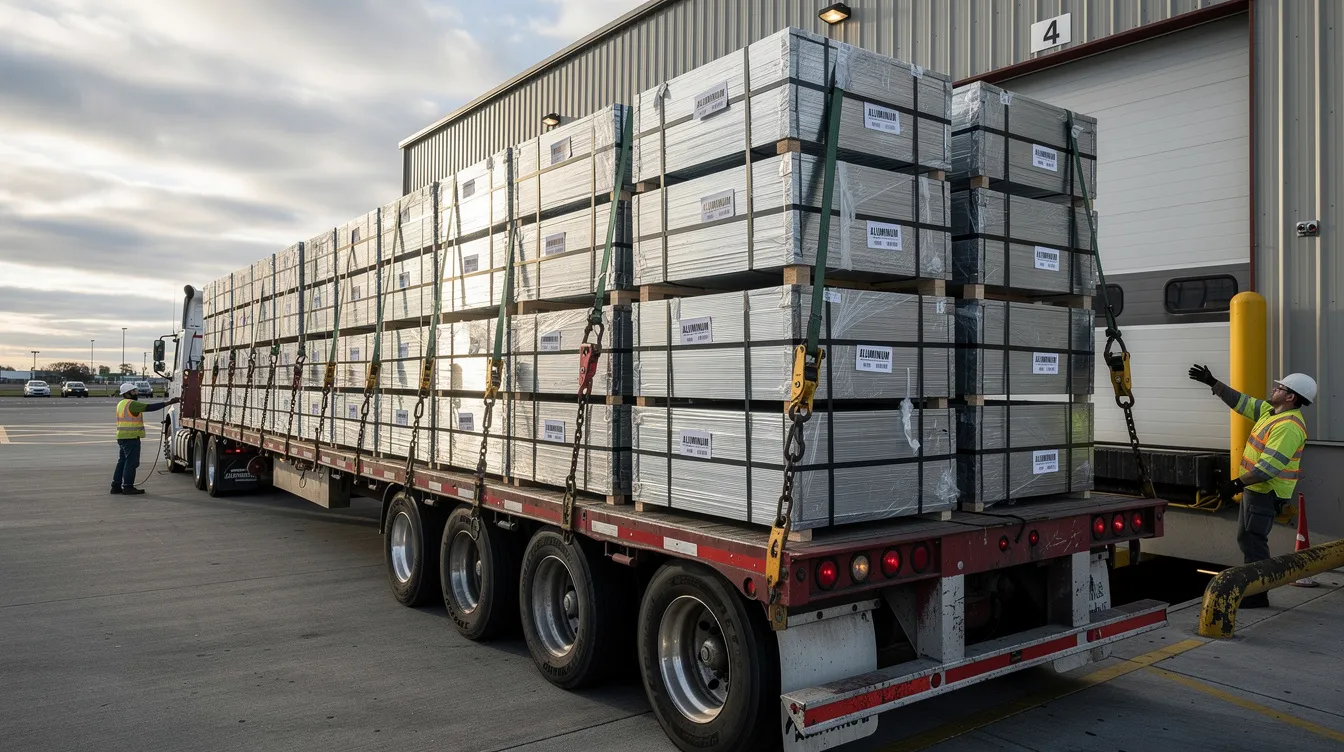
Central City Steel purchases surplus aluminum both domestically and internationally, and we can coordinate similar export options for large volumes of surplus aluminum and stainless steel when domestic markets do not offer the best recovery value. Texas Iron & Metal offers quick material pickup and fast payments, and buyers like these compete for your inventory when you have desirable alloys and forms.
For larger positions (multiple truckloads of aluminum coil or stainless steel coil, for example), we can either buy outright or help you sell your surplus through our network on a commission basis. This flexibility lets sellers maximize recovery value on high-quality products that may fetch more through remarketing than through a single direct sale.
Even if you are unsure whether your material qualifies, reach out with details. We routinely evaluate unusual items like painted coils, perforated sheet, and custom extrusions. Utilizing specialized online marketplaces can also connect sellers with appropriate buyers for niche material, but working directly with a surplus metals buyer who has years of industry experience often produces faster results and better pricing.
Selling surplus aluminum and other metals does not require a metals trading background. The process below applies to aluminum, stainless steel, carbon steel, and mixed lots of surplus metals. We keep it easy so you can focus on running your business.
Gather a concise list of items you want to sell. For each item, include:
Proper documentation including weight estimates and alloy certifications can expedite sales negotiations. Photos of tags, bundle markings, rack labels, and overall condition help confirm quality and allow us to provide more competitive prices for your surplus metal.
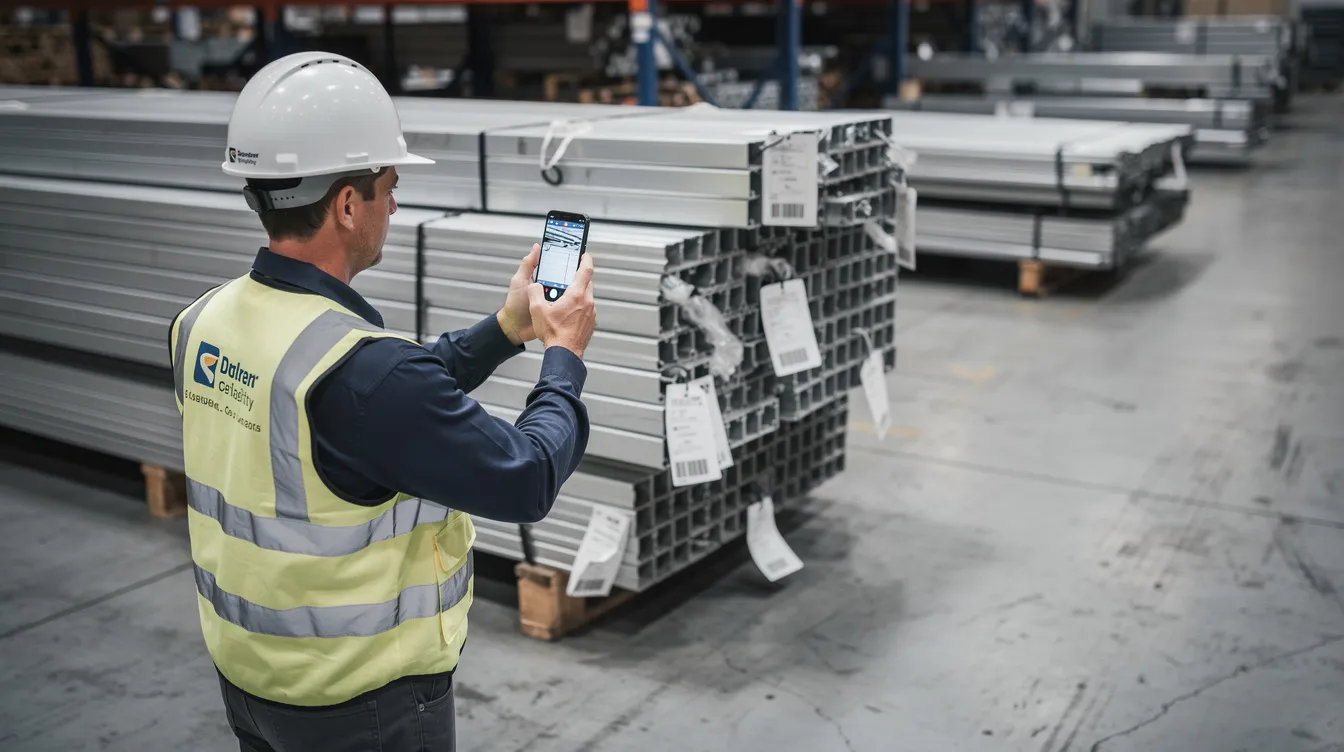
Email or upload your list and photos. For most straightforward lots of aluminum, stainless steel, or surplus steel, we can respond with a ballpark offer within one to two business days.
Pricing reflects current metal markets, alloy, form, condition, and volume. Selling larger quantities of aluminum can produce better pricing through negotiation; a 40,000-pound lot of 5052 coil will earn a higher per-pound rate than a single partial bundle. We present either a direct cash purchase offer or, for material that may fetch more through remarketing, a shared-margin or consignment option.
Targeting local manufacturers can also be effective for selling surplus aluminum, because proximity reduces freight cost and increases net recovery. We take geography into account when routing offers through our buyer network.
For larger or mixed surplus metals, we may schedule an on-site visit to verify counts and conditions. After you accept the offer, we arrange trucks, loading times, and any required paperwork (bills of lading, packing slips, weight tickets).
We handle most logistics: coordinating flatbeds, vans, or containers so you avoid the hassle of finding carriers or managing multiple small scrap runs. Sellers only need to stage the material for loading and provide dock or yard access.
Once material is received and confirmed against the agreed description, payment is processed promptly via check, ACH, or another agreed method. Your excess inventory becomes usable capital.
The entire process, from first contact to payment, can be completed in days for standard lots of surplus aluminum and surplus metals. The more complete your information is upfront, the faster we can turn your idle assets into cash. If you have questions at any point, contact us by phone or email, and we will walk you through it.
Selling usable aluminum stock as-is can yield higher returns than selling as scrap. If your material is still in coil, sheet, plate, or extrusion form with identifiable alloy and reasonable condition, it has service value that exceeds pure scrap pricing. Always explore the surplus channel before defaulting to the scrap yard.
We typically look for commercial volumes: full pallets, bundles, or multi-skid lots. Some surplus metals buyers require minimum lot sizes; for example, Eastern Metal Trading Co. sets a threshold of around 20,000 pounds for aluminum. We will review smaller quantities if they contain high-value alloys (such as 7075 or 2024) or if they are part of a broader package of surplus metals that makes pickup logistics worthwhile.
Pricing is based on current aluminum and steel market benchmarks (spot price plus applicable premiums), alloy and temper, thickness, form, condition (prime versus secondary), remaining demand for those specs among fabricators and end users, and total weight. The distinction matters: a lot of prime 6061 plate with MTRs will sell well above scrap value, while mixed turnings with no documentation will price closer to commodity scrap. High-strength alloys like 7075 earn more than common soft alloys like 3003. Volume also plays a role; larger lots reduce per-pound transaction and freight costs for the buyer, which translates to a better offer for you.
Having MTRs or certificates increases both the value and marketability of surplus aluminum and stainless steel. Certified material can be resold directly into the steel industry or aerospace and defense supply chains, where traceability is required. That said, we can still evaluate and buy uncertified material on a case-by-case basis. If the alloy and finish are identifiable through markings, tags, or testing, we will still make an offer.
Mixed loads of surplus metals are common, and we accept them. To keep inspection, pricing, and unloading efficient, separate and label items by type where possible. Aluminum on one side of the truck, stainless steel on the other, carbon steel on a separate pallet. Cross-contamination between alloys (especially mixing stainless with carbon steel) reduces per-unit value and adds inspection time. A few minutes of sorting on your end can mean a measurably higher payout.
In most cases, yes. Many surplus aluminum coils, sheets, and extrusions still have service value, meaning a fabricator or distributor can use them as-is or with minimal processing. Service-value material sells well above scrap, where the metal would simply be melted. The difference can be substantial: a clean, documented lot of 5052 sheet sells at a rate tied to the current service-center market, while the same alloy sent to a scrap dealer prices off the much lower scrap commodity index. We pride ourselves on helping sellers identify which portions of their excess materials qualify for service-value pricing and which are best sold as scrap, so you recover the maximum amount from every pound.
Holding onto unused aluminum sheets, coils, extrusions, or mixed surplus steel binds valuable capital and risks material degradation through oxidation and storage wear. Capitalizing on current market demand allows you to clear out dead inventory, optimize your warehouse footprint, and inject immediate liquidity back into your core operations.
Don’t let valuable metal sit on your floor losing value—connect with experienced surplus metal buyers today to submit your material list, receive a competitive cash offer, and schedule fast pickup with zero hassle.