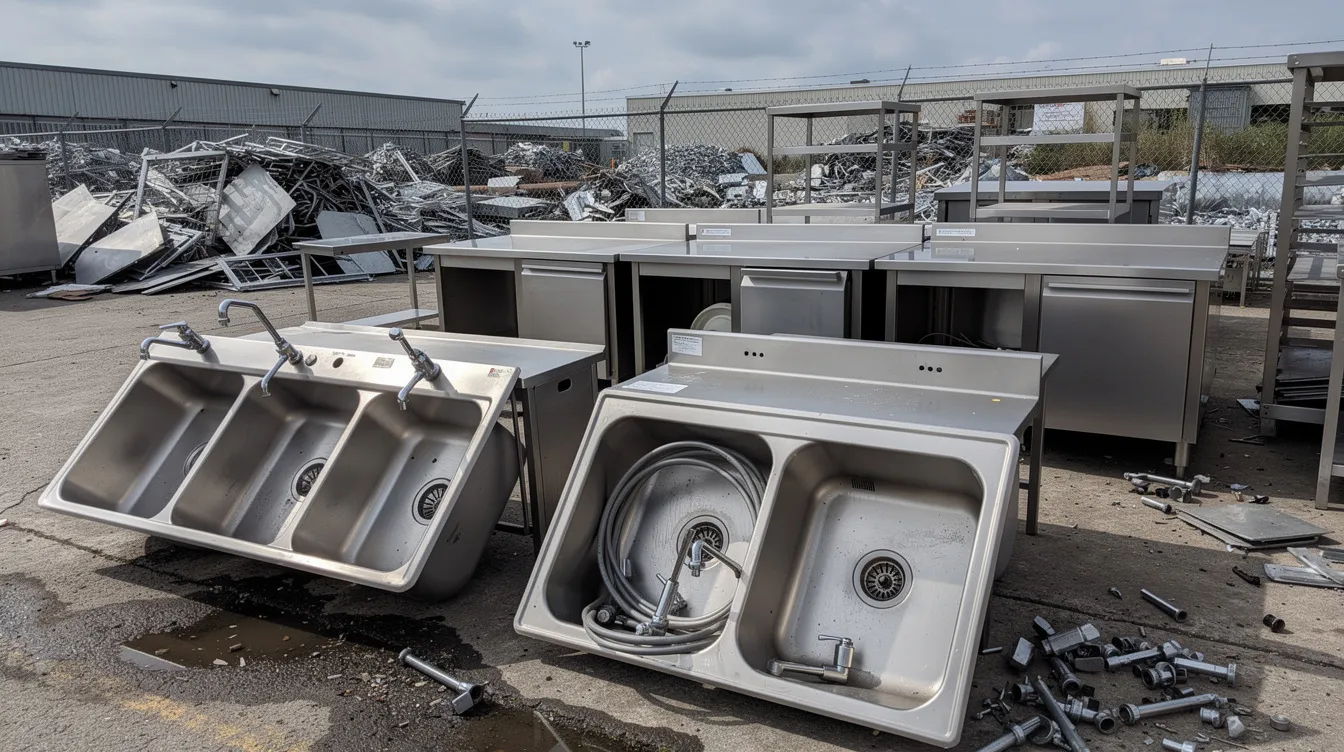
Finding the right stainless steel recycling company is not just about getting rid of metal waste. It is about partnering with a business that will pay you fairly, handle your materials efficiently, and help you meet both financial and environmental goals. Whether you run a manufacturing plant generating tons of turnings per month or you are an individual looking to sell a stainless steel sink, choosing the right recycler can mean the difference between leaving money on the table and maximizing value from every pound of scrap.
This guide breaks down what stainless steel recycling companies actually do, how to evaluate and choose one, the services you should expect, and answers to the most common questions that customers ask before their first load hits the scale.
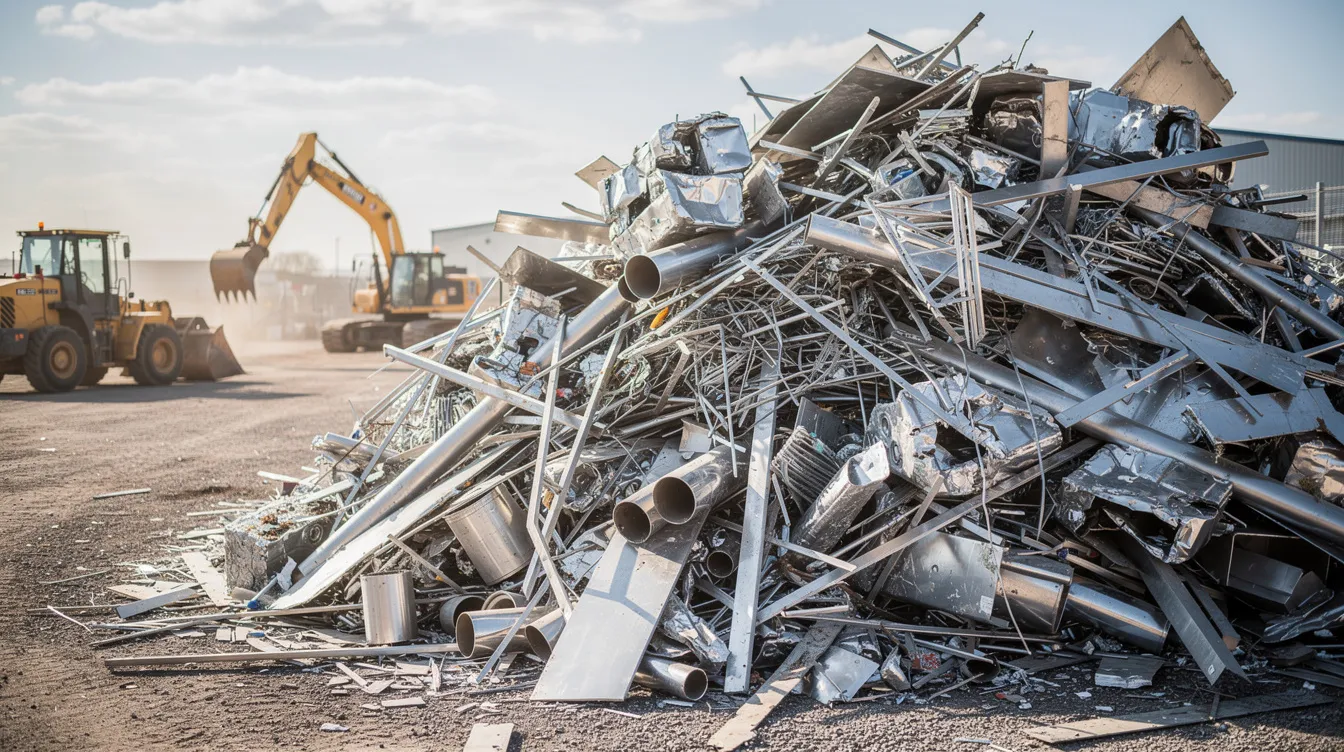
Stainless steel recycling companies specialize in buying, sorting, processing, and selling stainless scrap back into global metal markets. Specialized recyclers sort and process stainless steel for resale, turning waste from manufacturing, demolition, and end-of-life products into feedstock for new stainless steel production.
Stainless steel is a corrosion-resistant alloy made primarily of iron, chromium, and nickel. Stainless steel contains valuable alloying elements like chromium (at least 10.5%) and nickel (roughly 8–10% in austenitic grades). The two most common grades are:
Accurate alloy grading is essential in stainless steel recycling because grading stainless steel affects its market value significantly. A load identified as 316 can command nearly three times the price per pound of mixed or unverified stainless.
These recyclers typically handle both ferrous and non-ferrous metals beyond stainless steel. Common recyclable metals include steel, copper, and aluminum. Ferrous metals include iron and steel. Non-ferrous metals include copper, brass, and nickel. Many specialty alloy recyclers also focus on high-value alloys like stainless steel as well as high-temp alloys, which are also recyclable metals. Stainless steel is a widely recycled metal, and stainless steel mills use recycled scrap as raw material for new production.
Stainless scrap metal recycling follows a multi-stage process:
Nearly 90% of end-of-life stainless steel is successfully recovered, making it one of the most efficiently recycled materials in the metal industry. According to INSG data, austenitic stainless steels (the 200- and 300-series) represent just over 80% of global stainless production, though the scrap ratio has declined from roughly 39% in 2019 to around 33% in 2023 due to shifting supply patterns in Asia.
Many stainless recyclers operate multiple locations across states to offer convenient drop-off and pick-up options for businesses and individuals. SA Recycling operates over 70 locations across several states, while regional players maintain networks across areas like California, Nevada, Arizona, and Texas.
Some companies run integrated operations combining scrap metal recycling yards, processing facilities with shears and balers, and brokerage arms that sell processed stainless to stainless producers. Leading stainless recyclers also handle end-of-life products such as industrial equipment, commercial kitchen appliances, stainless tanks, pipes, and structural beams from demolition projects.
Many companies publish their operating hours (for example, Monday through Friday from 7:00 a.m. to 3:30 p.m., with limited Saturday hours and closed Sunday) and offer same-day or next-day service for high-volume industrial clients.
This section is your step-by-step guide to finding the right stainless steel recycling partner based on your location, material type, and volume. Think of your recycler not as a vendor you call once, but as a trusted partner – a long-term ally that helps manufacturers, fabricators, and contractors meet both revenue and sustainability targets.
Before contacting any company, list the stainless and other scrap metal you generate regularly. This might include:
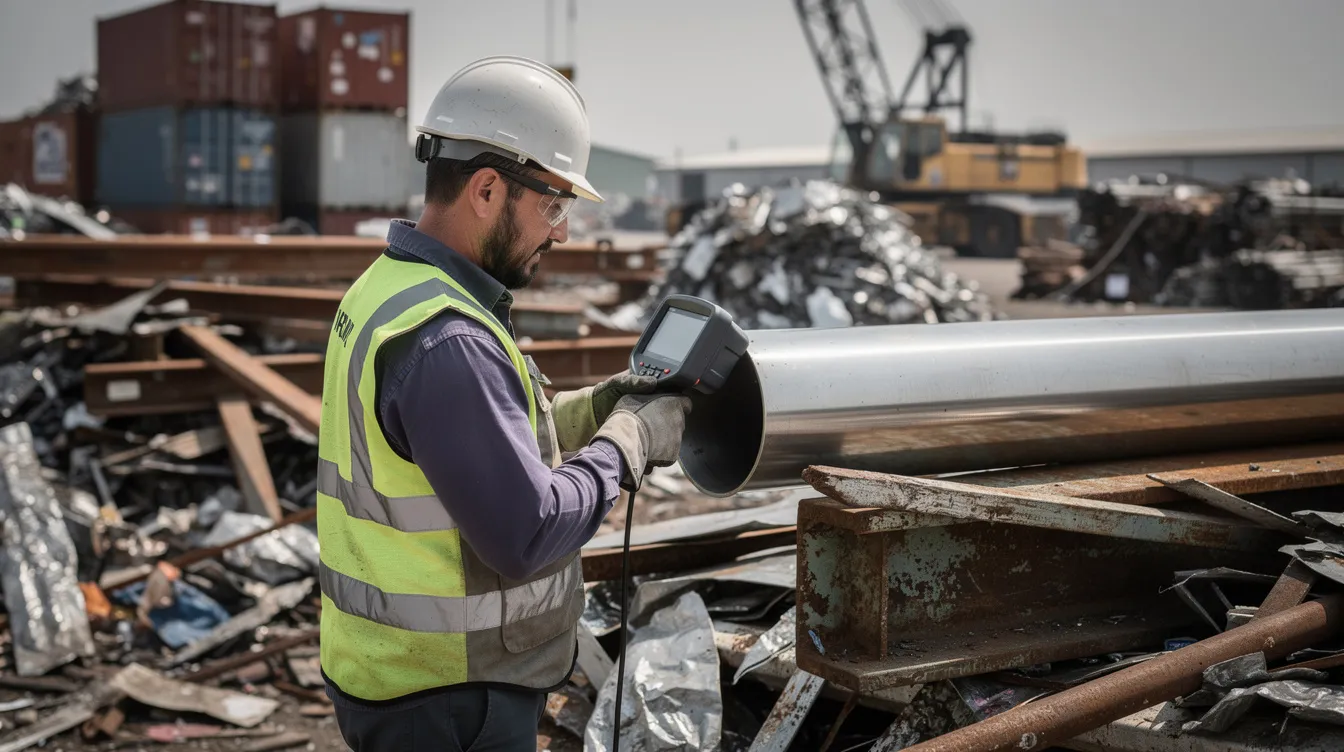
If you are unsure about the types of metal you generate, a good recycler will confirm grades on-site using handheld analyzers.
Look for companies with decades in the scrap metal recycling industry and a strong record working with manufacturing, industrial, and construction clients. For context:
Ask for references from businesses similar to yours – food processing, pharmaceuticals, chemical plants, or general construction.
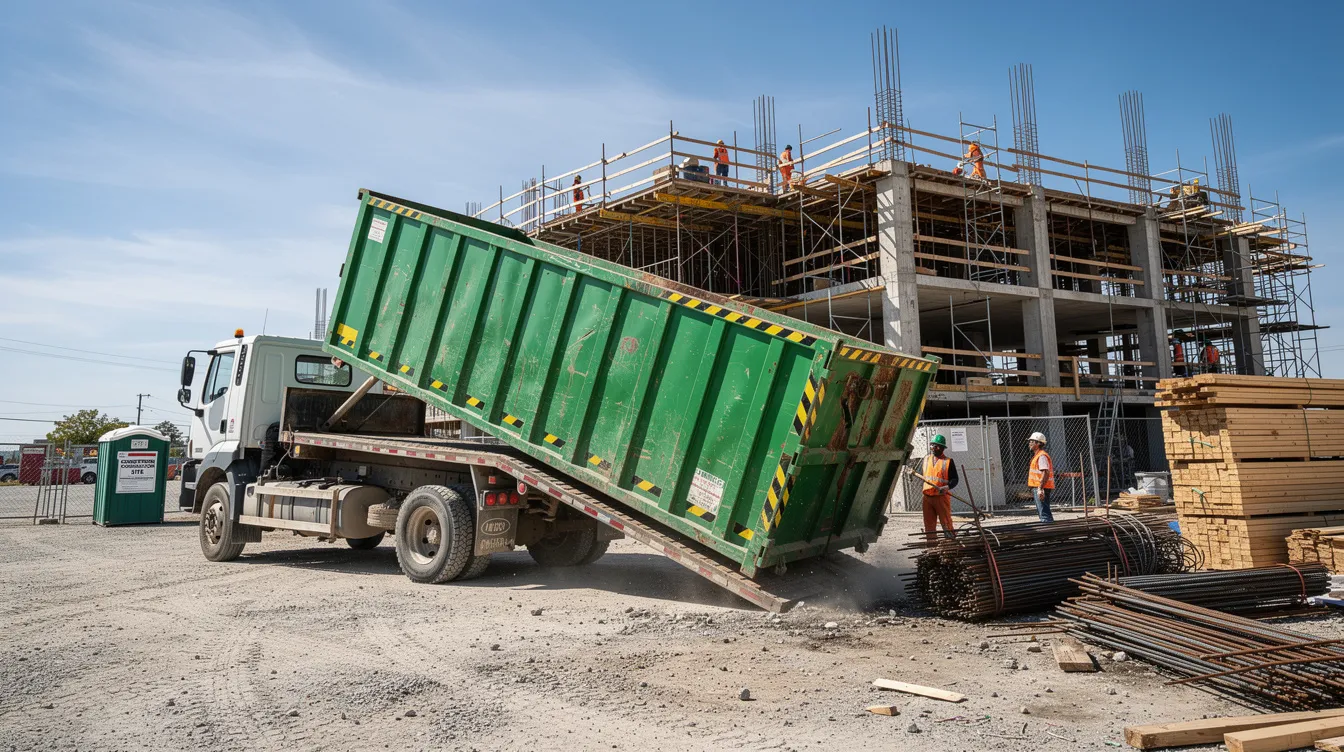
Verify whether the recycler offers local pick up, roll-off containers, flatbed hauling, and on-site bin swaps in your city or industrial park. Larger providers cover multiple states, but a strong regional recycler with responsive logistics support can often outperform a national brand on turnaround and pricing.
The recycler who can schedule a bin swap within 24 hours is worth more than the one with 100 locations but a two-week wait.
Pricing should be clear and defensible. Ask about:
Industrial companies that sell stainless consistently should expect pricing that moves with the market, not arbitrary or stale quotes.
A quality metal recycling partner should have:
Expect scale tickets, weight reports by grade, and monthly or quarterly summary statements. The company should adhere to local, state, and federal environmental regulations and hold relevant permits. ISO 9001 certification is a strong indicator of operational quality and traceability.
Reach out by phone, text, and email before committing. Gauge response times, clarity of communication on pick-up schedules, and willingness to answer pricing questions. A clean, organized scrap yard that is easy to access with commercial trucks signals a well-run operation.
For businesses with sustainability targets, ask if the recycler can provide recycling certificates, diversion reports, and estimated CO2 savings for stainless steel recycling. These documents support internal and customer-facing sustainability goals and help protect your company’s environmental reputation.
Before partnering, visit the yard. Look for well-marked traffic lanes, visible safety signage, required PPE rules, and trained staff who guide trucks and customer vehicles safely through the scrap yard. A safe yard is a well-managed yard.
Stainless steel recycling companies usually offer a mix of recycling services for residential, commercial, and individual customers. The best ones structure their service offerings similarly to other regional scrap metal providers, but with specialized focus on stainless and alloy metals that demand precise grading and handling.
For industrial operations generating consistent volumes of stainless scrap, recyclers provide customized collection containers placed directly on plant floors. These programs typically include:
IHS Recycling provides custom steel recycling management programs designed for manufacturing and industrial companies that need structured, repeatable processes. Generated Materials Recovery specializes in ferrous and non-ferrous metal recycling with a focus on client-centric metal recycling solutions tailored to each operation’s needs.
For commercial customers and contractors, recyclers deliver roll-off dumpsters for demolition or renovation projects, handle steel and stainless beam recycling, remove scrap from job sites, and provide fast turnarounds for teams on tight construction schedules.
River City Steel offers roll-off container services for job sites, making it convenient for contractors to dispose of stainless and mixed metal scrap without disrupting workflow. Davis Metals offers roll-off dumpsters for recycling services across a range of commercial and industrial applications.
Walk-in customers can bring stainless items to public scrap yards during published operating hours. Expect paved drive-thru lanes, certified scales, clear signage for stainless, steel, aluminum, and copper drop-off areas, and immediate cash or same-day payment for scrap metal. An individual dropping off a car load of old appliances should receive the same straightforward service as a commercial account.
Stainless services are part of a broader scrap metal recycling offering that typically includes copper wire, brass fittings, radiators, car wheels, motors, iron, and mixed metal appliances. Some yards also accept aluminum cans and other lightweight non-ferrous metals. This breadth means you can consolidate your recycling with a single provider and save money on logistics.
Some companies provide additional services beyond standard yard operations:
Logistics support is often provided by stainless steel recyclers, including dispatch teams that coordinate bin swaps, GPS-tracked trucks, flexible same-day or next-day pickup windows, and emergency service for production outages or scrap build-ups. Ecology Recycling provides delivery and pick-up of roll-off bins, adding another convenient option for businesses that need reliable, scheduled container service.
Some recyclers combine stainless steel recycling with general commercial waste services. This integration can reduce total disposal costs and increase revenue from high-value metal recycling streams – particularly useful for facilities that generate both general waste and stainless scrap in the same industrial operations.
Top recyclers accept 304 and 316 scrap, stainless turnings, stainless plate and pipe, mixed stainless assemblies, and exotic grades with prior approval. Customers should remove non-metal attachments, plastic, or hazardous materials before drop-off to ensure they receive top prices for their material.
The right mix of services – drop-off, pick up, roll-offs, reporting, and responsive communication – is what turns a basic scrap yard into a strategic, trusted partner for stainless steel recycling. It is not just about where you dispose of metal. It is about who helps your business zoom in on value and build a long-term recycling program.
Most stainless steel recycling companies accept common grades such as 304 and 316, including plate, pipe, tubing, sheet, bar, and turnings from machining operations. Many yards also accept mixed stainless assemblies – food processing equipment, commercial kitchen gear, railings – as long as hazardous materials and non-metal attachments are removed before delivery.
Exotic alloys (duplex, super duplex, high-molybdenum grades) or heavily contaminated stainless may require prior approval. If you are unsure, call ahead or send photos so the recycler can confirm what they will purchase and at what price.
Stainless scrap prices are typically based on international nickel and chromium markets, stainless mill demand, and the specific grade and cleanliness of the material. According to ChemAnalyst market data, U.S. mill utilization, export demand from Asia, and inventory levels at scrap yards all influence spot prices, which can shift weekly.
Grade 316 stainless usually commands a premium over 304 because of its higher nickel and molybdenum content. Dirty or mixed stainless is discounted due to extra processing costs. Contact your recycler on the day of sale for current pricing to avoid surprises.
Separating stainless from carbon steel, aluminum, copper, and brass generally results in better pricing and faster processing at the yard. Many recyclers provide labeled bins or roll-offs so industrial and commercial customers can keep stainless, steel, and non-ferrous scrap metal streams separate at the source.
If separation is not possible, the recycler may downgrade the load to mixed metal, which can significantly reduce the per-pound payment. Even basic separation efforts on your end – keeping stainless turnings in one bin and carbon steel in another – can help you buy back real money on each load.
Most stainless steel recycling companies accept loads from both individuals and businesses, from a few pounds of stainless scrap to multiple truckloads per week. Walk-in customers can typically bring stainless items like sinks, grills, railings, and appliances containing stainless components to public scrap yards during published operating hours.
High-volume industrial and commercial customers may qualify for customized pricing and regularly scheduled pick-up services based on consistent stainless scrap generation. Whether you are partnering with a yard as a one-time seller or as a long-term account, reputable recyclers make the process accessible.
Recycling stainless steel significantly reduces the need to mine for new materials – specifically iron ore, nickel, and chromium – which lowers energy use and greenhouse gas emissions. Producing stainless from scrap via an electric arc furnace can use 40–60% less energy than primary production from virgin ore.
Stainless steel is 100% recyclable without losing its properties, making it ideal for circular economy initiatives and corporate ESG commitments. Businesses can use recycling reports from their stainless steel recycling companies to document landfill diversion and emissions reductions in sustainability reports, helping protect both the environment and your team’s reporting integrity.