


Understanding the difference between stainless steel recycling vs scrap metal recycling is essential for anyone looking to maximize the financial and environmental value of their discarded materials. General scrap metal recycling handles a broad mixture of ferrous and non-ferrous metals—everything from old cars and construction beams to copper wire and aluminum window frames. Stainless steel recycling, by contrast, focuses specifically on recovering high-alloy, corrosion-resistant iron that contains chromium, nickel, and sometimes molybdenum. Since global scrap prices surged on rising nickel and steel demand, understanding where stainless fits in the broader metal recycling landscape can mean the difference between modest and meaningful payouts. This article compares value, the recycling process, environmental impact, and practical tips to help you sell at the highest prices.
Stainless steel is an iron alloy containing at least 10.5% chromium, valued primarily for its corrosion resistance. Many grades also include nickel and molybdenum, which boost durability and drive scrap pricing. Common stainless items that become scrap include commercial sinks, 304 and 316 process tanks, brewery vats, restaurant worktops, medical trays, cookware, flue pipes, and exhaust systems.
Broader scrap metal categories include:
Scrap yards treat stainless steel separately from regular steel because its chromium and nickel content creates a different pricing structure. Stainless scrap is normally sold by grade groups (300-series vs 400-series), while general ferrous scrap trades as “heavy melt,” “light iron,” or “shred.” Grades 304 and 316 of stainless steel are often non-magnetic, which already sets them apart at the sorting stage.
The overall metal recycling process follows the same flow-collection, sorting, processing, melting, and manufacturing into new materials-but stainless steel recycling requires precise alloy grading and sorting that general ferrous metals skip entirely. Scrap metal is sorted by type and checked for contaminants at every stage.
For stainless steel, the steps look like this:
Stainless steel cannot be melted down with ordinary carbon steel without ruining its chemical balance, which is why mills insist on grade-verified loads. Non ferrous metal recycling runs in parallel: aluminum, copper, brass, and lead are separated by density and eddy current, then melted in dedicated furnaces for reuse in construction, electronics, and automotive production.
Mixed ferrous scrap follows a simpler path-shredding, magnetic separation, and melting in basic oxygen or electric arc furnaces to produce structural steel, rebar, and sheet products. The key difference is that stainless steel scrap often goes back into high-spec stainless products (closed-loop recycling), while mixed scrap is more likely downcycled into lower-grade steel.
Scrap metal prices shift daily with global commodity markets. Here is a general hierarchy of recycling value:
| Metal Category | Typical Price Range | Notes |
|---|---|---|
| Precious metals (platinum, palladium, rhodium) | Hundreds per ounce | From catalytic converters, electronics |
| Copper wire (clean) | ~$4.78 per pound | High demand in electrical manufacturing |
| Brass | $1.50–$2.50 per pound | Plumbing, fixtures |
| Aluminum cans | ~$0.64–$0.65 per pound | High volume, easy to collect |
| Stainless steel (304/316) | $0.25–$0.50 per pound | Nickel content drives price |
| Regular steel / iron | $0.10–$0.15 per pound | Bulk volume, lowest per-unit value |
Non-ferrous metals typically have higher scrap prices than ferrous metals, but stainless steel sits in a valuable middle ground. Its value is directly influenced by nickel content: 316 stainless with added molybdenum routinely outperforms 304 by 50% or more, while magnetic 400-series grades with little nickel pay far less.
To achieve the highest prices, keep stainless steel separate from regular steel, sort obvious non ferrous metals like copper tubes and aluminum rims into their own containers, and remove non-metal contamination. Many scrap yards publish daily metal recycling price lists online. Manufacturers and industrial clients generating consistent volumes can often negotiate premium rates.
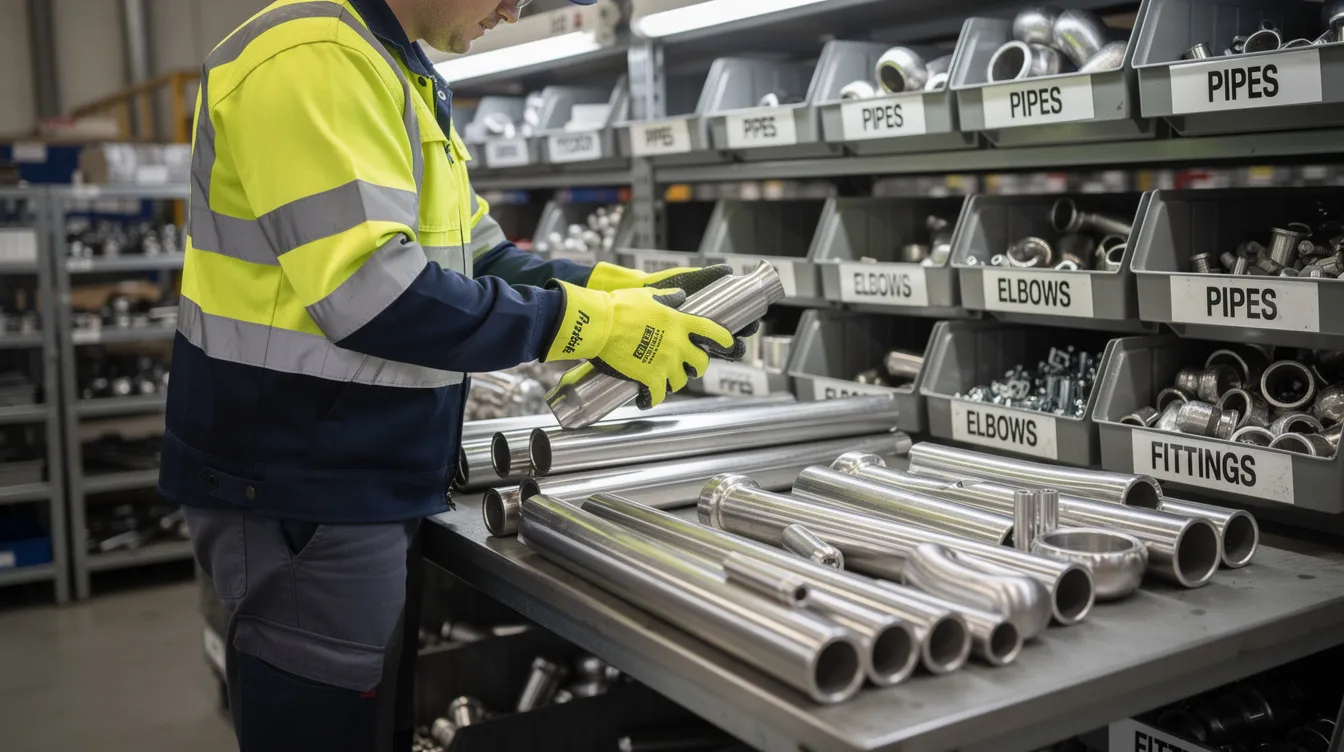
Both stainless steel recycling and general scrap metal recycling dramatically cut energy use, carbon emissions, and mining waste compared with producing metals from raw materials. Recycling scrap metal reduces landfill waste and conserves natural resources across the board.
Stainless steel stands out for several reasons:
For businesses, the economic advantages include reduced waste disposal costs, direct revenue from scrap sales, improved sustainability and ESG credentials, and protection against volatile raw ore prices. Separating stainless steel, non-ferrous metals, and ferrous metals at source improves recycling efficiency and keeps valuable metals out of landfills.
You don’t need to be a metallurgist. Simple tools and habits can significantly increase the money you earn from your scrap loads. Sorting metals by type improves payout accuracy at recycling centers, and removing non-metal attachments increases scrap metal value.
Use the magnet test. Most 300-series stainless steel is weakly magnetic or non-magnetic, while carbon steel sticks strongly. A fridge magnet is a solid first step, though magnetism alone won’t identify exact grades.
Prepare your scrap properly:
Avoid common mistakes that destroy value: mixing stainless with painted or galvanized steel, delivering wet or heavily rusted scrap, burning insulation off wire (illegal and hazardous to safety and environmental protection), or bringing hazardous waste like lead batteries mixed with clean loads.
Time your sales. Stainless steel scrap should be kept separate from regular steel for recycling, and you should watch nickel and copper prices before hauling a load. Batch enough material to justify transport, bring ID if required by local regulations, and contact yard staff to help identify borderline materials or confirm stainless grades.
The simplest move that pays the most: separate your stainless from your mixed ferrous loads. Even a small pile of clean 304 or 316 can earn several times more per pound than a truckload of light iron.

Stainless steel is technically a ferrous metal because it is iron-based. However, most scrap yards and recyclers buy it in its own category rather than lumping it with regular carbon steel or light iron, because its chromium and nickel content give it distinct recyclability and pricing.
Yes. Stainless steel can be recycled without losing its strength or performance. Like copper and aluminum, it can be remelted and reformed indefinitely because the chromium and nickel are recovered in the furnace process, preserving its durable, corrosion-resistant properties.
Look for non-rusting, silvery surfaces and possible grade markings such as “18/8” or “304” on cookware or equipment tags. A magnet test also helps: typical mild steel attracts a magnet strongly, while common 304 stainless steel is only weakly magnetic or not magnetic at all.
Strongly magnetic stainless pieces are usually 400-series grades containing little or no nickel. Since nickel is one of the main drivers of stainless steel scrap pricing and industry demand, these ferritic grades produced without nickel simply carry less recycling value per pound.
Most scrap yards accept even small quantities. However, transport cost and per-trip time can eat into your pay, so it’s often more economical to collect and batch your stainless until the weight justifies a trip. Commercial sellers who generate consistent volumes can usually arrange regular pickups at negotiated rates.